
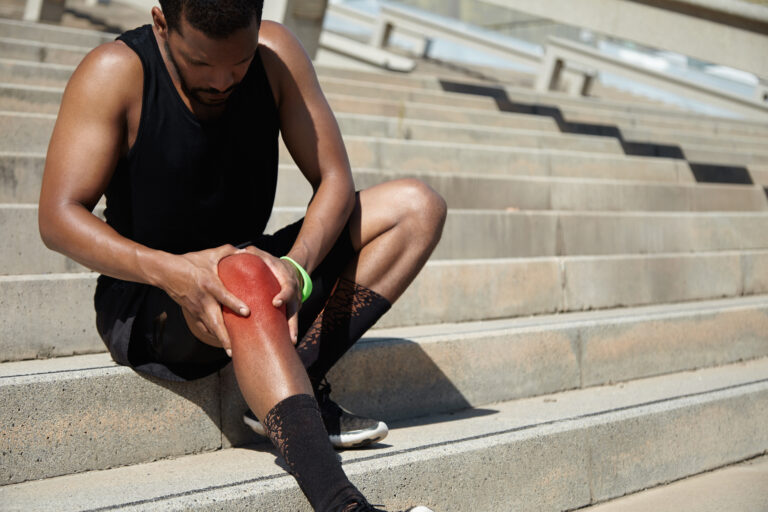
Knee pain is often thought to affect older adults, but many teenagers and young adults experience it as well. Understanding what may be the reason for knee pain in young age is important because early joint discomfort can sometimes indicate lifestyle issues, muscle imbalance, or sports-related stress on the knee joint. When ignored, these problems may gradually affect mobility and physical activity.
The knee is one of the most active joints in the body. It supports body weight while walking, running, climbing stairs, and performing daily movements. Because of its constant use, the knee is vulnerable to strain, particularly when muscles are weak, posture is poor, or repetitive movements place extra pressure on the joint. Identifying the underlying causes early helps prevent long-term joint complications.
Why Knee Pain Is Increasing Among Young People
In recent years, healthcare professionals have noticed a rise in knee pain among younger individuals. Several lifestyle and physical factors contribute to this change.
Sedentary Lifestyle
Long hours spent sitting while studying, working on computers, or using smartphones can weaken the muscles that support the knee joint. Reduced physical activity may also decrease flexibility and joint stability.
Sudden Increase in Physical Activity
Many young individuals begin intense workouts or sports routines without gradually building strength. Sudden physical stress on the knee joint can lead to strain or minor injuries.
Improper Exercise Techniques
Incorrect form during exercises such as squats, lunges, or running may place excessive pressure on the knees. Over time, this can contribute to pain and discomfort.
Poor Posture Habits
Standing incorrectly, sitting for long periods with bent knees, or walking with improper alignment can also influence knee health.
Understanding these factors helps explain what may be the reason for knee pain in young age and highlights the importance of maintaining healthy movement habits.
What May Be the Reason for Knee Pain in Young Age
Several physical and lifestyle-related conditions may contribute to knee discomfort in young individuals. The most common reasons include the following.
Overuse Injuries
Repetitive stress on the knee joint without adequate rest can cause irritation or inflammation in surrounding tissues. This condition is common among runners, dancers, athletes, and individuals who perform repetitive physical activities.
Overuse injuries often develop gradually and may cause mild pain around the kneecap that increases during activity.
Sports-Related Injuries
Sports activities that involve jumping, twisting, or sudden stops can put significant pressure on the knee. Ligaments and cartilage within the knee joint may become strained during such movements.
Young athletes participating in sports like football, basketball, badminton, or running may experience these types of injuries.
Weak Muscles Around the Knee
The knee joint relies on surrounding muscles for support, particularly the quadriceps, hamstrings, and hip muscles. If these muscles are weak or imbalanced, the knee may experience additional pressure during movement.
Strengthening these muscle groups helps stabilize the knee and improve overall joint function.
Poor Posture and Movement Patterns
Improper posture while sitting, standing, or walking can affect the alignment of the knee joint. Over time, this misalignment may contribute to discomfort or stiffness.
Correct posture and proper movement techniques play an important role in protecting knee health.
Foot Alignment Problems
Flat feet or poor arch support can alter the way body weight is distributed while walking or running. This imbalance may increase stress on the knee joint and lead to discomfort during daily activities.
Supportive footwear and proper gait correction can help reduce this strain.
Excess Body Weight
Carrying excess body weight increases the load placed on knee joints. Even small increases in weight can significantly raise pressure on the knees during activities such as walking or climbing stairs.
Maintaining a healthy body weight supports joint health and reduces strain.
Nutritional Factors
Nutritional deficiencies, particularly low levels of vitamin D or calcium, may weaken bones and muscles. This can make joints more vulnerable to injury or discomfort.
A balanced diet containing essential nutrients supports overall musculoskeletal health.
Common Symptoms of Knee Pain in Young Age
Early symptoms should not be ignored, especially if they persist for several days. Some common signs include:
- Pain around the knee joint
- Swelling or stiffness
- Clicking or popping sounds during movement
- Difficulty bending or straightening the knee
- Pain while running, walking, or climbing stairs
If such symptoms continue or worsen, professional medical evaluation is recommended.
Role of Physiotherapy in Managing Knee Pain
Physiotherapy plays a vital role in managing knee discomfort and restoring proper movement. Treatment programs usually focus on improving muscle strength, flexibility, and joint stability.
Physiotherapy approaches may include:
- Strengthening exercises for thigh and hip muscles
- Stretching programs to improve flexibility
- Posture correction techniques
- Balance and stability training
- Movement education to reduce joint strain
A structured rehabilitation plan helps individuals regain confidence in movement while protecting the knee from further stress.
Tips to Prevent Knee Pain in Young Adults
Preventing knee pain often involves simple lifestyle adjustments and consistent physical activity.
Warm Up Before Exercise
Proper warm-up and stretching prepare muscles and joints for activity.
Strengthen Leg Muscles
Regular strengthening exercises for thighs, hips, and core support knee stability.
Use Proper Footwear
Shoes with adequate support help maintain proper alignment.
Avoid Overtraining
Gradually increase exercise intensity and allow time for recovery.
Stay Physically Active
Maintaining regular movement improves muscle strength and joint flexibility.
By following these habits, young individuals can reduce the risk of developing knee problems.
Conclusion
Knee discomfort among younger individuals is becoming increasingly common due to lifestyle changes, physical stress, and muscle imbalance. Understanding what may be the reason for knee pain in young age helps individuals identify risk factors early and take preventive measures.
With timely physiotherapy guidance, proper strengthening exercises, and healthy lifestyle habits, many knee problems can be effectively managed. Kruthi Care offers professional physiotherapy services and personalized rehabilitation programs to help individuals address what may be the reason for knee pain in young age and maintain healthy, active joints.
Frequently Asked Questions
Common causes include overuse injuries, sports strain, weak muscles, poor posture, and lifestyle habits.
Yes. Muscle imbalance, prolonged sitting, or incorrect exercise techniques can also lead to knee discomfort.
Yes. Kruthi Care offers physiotherapy treatments focused on pain relief, mobility improvement, and strengthening exercises for knee conditions.
Kruthi Care provides rehabilitation programs designed to help individuals recover from sports-related knee injuries safely
Yes. Kruthi Care provides home physiotherapy sessions in Hyderabad for patients who prefer treatment in the comfort of their home.