
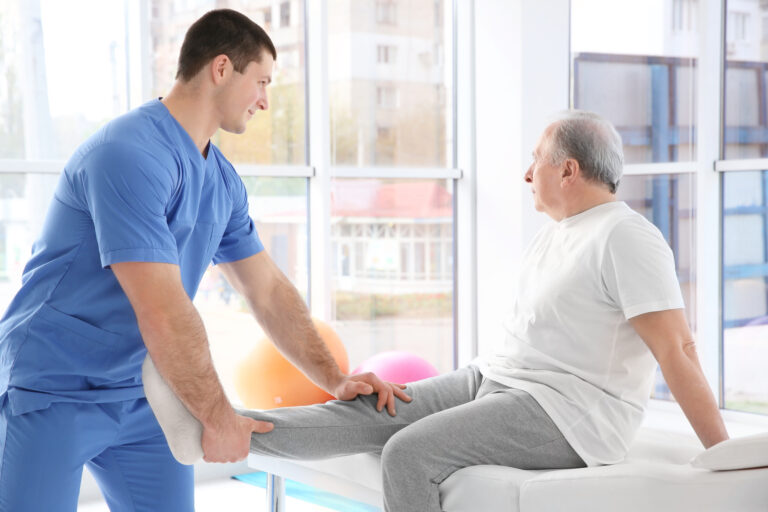
Knee surgery is often a turning point for individuals suffering from long-term joint pain, severe injury, or mobility limitations. However, the success of surgery does not depend on the procedure alone. Post Surgical Rehabilitation for Knee Pain plays a critical role in restoring strength, improving mobility, and helping patients return to normal life safely. Without structured rehabilitation, the knee joint may remain stiff, weak, or unstable even after a successful surgical procedure.
After surgery, the body requires time and guided therapy to regain normal movement patterns. Muscles surrounding the knee become weak due to reduced activity, and the joint needs gradual strengthening and flexibility training. A well-designed rehabilitation program ensures that patients recover safely while protecting the surgical repair.
Understanding Knee Surgery and Recovery
Knee surgeries are commonly performed to treat conditions such as severe arthritis, ligament injuries, cartilage damage, or traumatic fractures. In procedures like knee replacement or ligament reconstruction, damaged structures within the joint are repaired or replaced to restore stability and reduce pain.
While surgery corrects structural problems within the joint, recovery depends largely on how well the knee regains strength and movement after the procedure. This is where rehabilitation becomes essential. Physiotherapy helps retrain muscles, restore joint function, and gradually prepare the body for daily activities such as walking, climbing stairs, and standing for longer periods.
Without proper rehabilitation, patients may experience stiffness, reduced mobility, or muscle weakness that can slow down recovery.
Why Post Surgical Rehabilitation for Knee Pain Is Important
Post Surgical Rehabilitation for Knee Pain is designed to support healing and restore functional movement. Rehabilitation helps patients regain independence and confidence in using their knee during everyday activities.
Restoring Range of Motion
One of the earliest goals of rehabilitation is restoring the knee’s range of motion. After surgery, swelling and pain may limit the ability to bend or straighten the knee fully. Gentle physiotherapy exercises gradually improve flexibility and help the joint move smoothly again.
Strengthening Surrounding Muscles
The muscles around the knee, particularly the quadriceps and hamstrings, often weaken during recovery. Strengthening these muscles provides better support to the joint and improves overall stability.
Improving Walking Mechanics
After surgery, many patients develop altered walking patterns due to pain or weakness. Rehabilitation programs focus on retraining proper walking mechanics so that movement becomes balanced and natural.
Reducing the Risk of Complications
Regular movement and guided exercises help reduce the risk of complications such as stiffness, poor circulation, or muscle loss. Rehabilitation also supports faster recovery and smoother transition back to daily life.
Key Components of a Knee Rehabilitation Program
A structured rehabilitation program is tailored to the patient’s condition, type of surgery, and recovery stage. Several important elements are usually included in the process.
Range of Motion Exercises
These exercises aim to gradually improve the knee’s ability to bend and straighten. Controlled movements help reduce stiffness and restore flexibility within the joint.
Muscle Strengthening Exercises
Strengthening programs target the muscles that support the knee, including the quadriceps, hamstrings, and hip muscles. Building strength in these areas improves joint stability and helps prevent future injuries.
Balance and Stability Training
Balance exercises are introduced during later stages of rehabilitation to improve coordination and joint control. These exercises help patients regain confidence while walking and performing daily tasks.
Walking and Movement Training
Physiotherapists guide patients in developing proper walking patterns and weight distribution. This process ensures that the knee functions efficiently during movement.
Patient Education
Rehabilitation also involves educating patients about posture, activity levels, and safe movement techniques. Understanding how to protect the knee during recovery helps prevent unnecessary strain.
Stages of Rehabilitation After Knee Surgery
Recovery after knee surgery usually progresses in stages, each focusing on different rehabilitation goals.
Early Recovery Phase
During the initial stage, the focus is on controlling swelling, managing pain, and beginning gentle movement. Light exercises help activate muscles without placing excessive stress on the joint.
Strength Building Phase
As healing progresses, physiotherapy shifts toward strengthening the muscles around the knee. Exercises gradually increase in intensity to rebuild stability and support.
Functional Recovery Phase
In the final stage, patients work on improving endurance, balance, and coordination. These activities prepare the body for normal daily movements such as walking, climbing stairs, and light physical activities.
Each stage is carefully supervised to ensure safe progression and optimal recovery.
Benefits of Structured Knee Rehabilitation
Patients who follow a structured rehabilitation program often experience several long-term benefits.
Faster Recovery
Guided therapy helps patients regain mobility sooner and return to everyday activities more comfortably.
Improved Joint Function
Strengthening exercises enhance muscle support around the knee, allowing smoother and more stable movement.
Reduced Pain and Stiffness
Regular physiotherapy sessions help reduce stiffness and improve flexibility.
Better Long Term Joint Health
Rehabilitation helps maintain proper joint mechanics, which supports the durability and long-term performance of the knee.
Common Challenges During Recovery
Recovering from knee surgery can sometimes feel challenging. However, understanding these challenges can help patients stay motivated during rehabilitation.
Temporary Pain or Discomfort
Some discomfort is normal during recovery as muscles and joints adapt to movement again. Controlled exercises help the body heal while gradually improving strength.
Fatigue During Rehabilitation
The recovery process requires patience and consistency. Gradual progression and adequate rest help patients manage fatigue effectively.
Maintaining Consistency
Regular physiotherapy sessions and home exercises are important for achieving the best outcomes. Consistency ensures steady improvement in mobility and strength.
With proper support and guidance, these challenges can be managed successfully.
Role of Physiotherapy in Long Term Recovery
Physiotherapy is one of the most important aspects of recovery after knee surgery. Professional rehabilitation programs ensure that exercises are performed safely and effectively. Physiotherapists evaluate the patient’s movement, identify muscle weaknesses, and design individualized treatment plans.
Rehabilitation not only focuses on recovery from surgery but also aims to improve overall joint health. Strengthening surrounding muscles, improving posture, and correcting movement patterns help protect the knee from future injuries.
Conclusion
Recovery after knee surgery requires dedication, guidance, and structured therapy. Post Surgical Rehabilitation for Knee Pain is essential for restoring mobility, strengthening muscles, and improving overall joint function. A carefully planned rehabilitation program allows patients to regain independence and gradually return to their daily activities.
Professional physiotherapy support plays a crucial role in ensuring safe and effective recovery. At Kruthi Care, specialized physiotherapy programs focus on mobility improvement, pain management, and structured rehabilitation for patients recovering from knee surgery. Through personalized treatment plans and expert guidance, Kruthi Care helps patients successfully complete Post Surgical Rehabilitation for Knee Pain and regain confidence in movement.
Frequently Asked Questions
Recovery timelines vary, but most rehabilitation programs continue for several weeks to months depending on the surgery and patient condition.
Physiotherapy usually begins soon after surgery under medical guidance to promote safe movement and prevent stiffness.
Yes. Kruthi Care offers structured physiotherapy programs designed to support recovery after knee surgeries
Yes. Kruthi Care offers home physiotherapy services in Hyderabad for patients who prefer rehabilitation at home
Kruthi Care physiotherapists provide personalized exercise programs that focus on strengthening, flexibility, and safe movement recovery.