
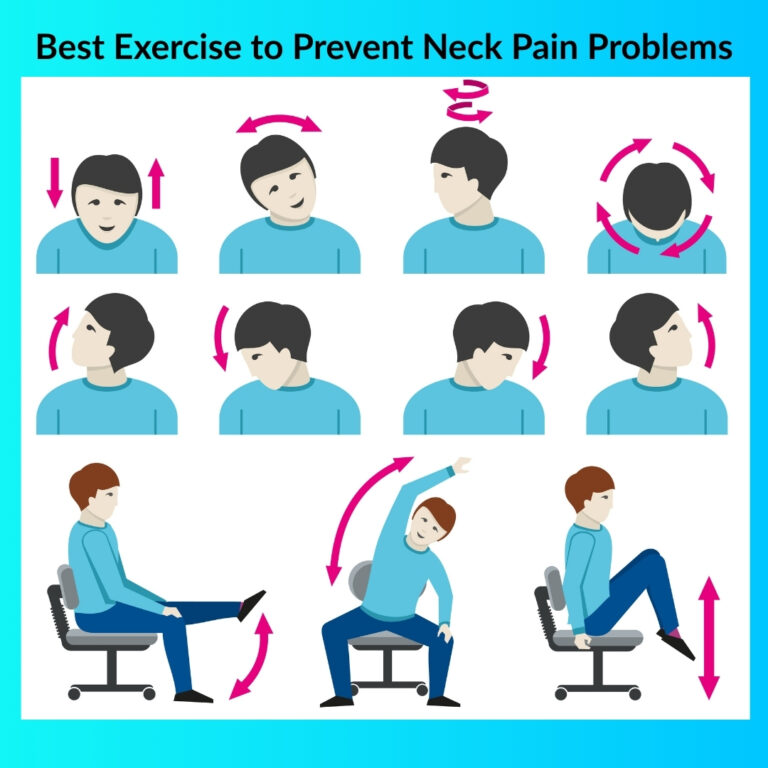
Neck discomfort has become increasingly common in modern lifestyles, particularly among people who spend long hours using computers, mobile phones, or sitting in static positions. Continuous screen usage, poor posture, and lack of movement can place stress on the cervical spine and surrounding muscles. Learning the best exercise to prevent neck pain problems can help individuals maintain proper posture, improve flexibility, and reduce the chances of developing long-term neck discomfort.
The neck, also known as the cervical spine, supports the weight of the head while allowing it to move in multiple directions. When the muscles supporting this region become tight or weak, it can lead to stiffness, headaches, shoulder tension, and restricted movement. Regular physiotherapy exercises designed for the cervical region can strengthen these muscles and improve mobility. Performing the best exercise to prevent neck pain problems regularly can help maintain spinal health and prevent recurring strain.
Physiotherapists often recommend simple exercises that target posture correction, muscle strengthening, and flexibility. These exercises, when practiced consistently, support the natural alignment of the spine and reduce excessive pressure on neck structures.
Common Causes of Neck Pain
Before understanding the best exercise to prevent neck pain problems, it is important to identify the factors that commonly lead to neck discomfort.
Poor Posture
Forward head posture caused by looking down at phones or leaning toward computer screens places additional load on the neck muscles. Over time, this can result in stiffness and muscle fatigue.
Prolonged Sitting
Sitting for extended periods without movement can reduce blood circulation in the neck and shoulder muscles, causing tightness and discomfort.
Muscle Imbalance
Certain muscles may become tight while others become weak, disrupting the natural support system of the cervical spine.
Stress and Muscle Tension
Stress often leads to tightening of the neck and shoulder muscles, which may cause persistent tension or headaches.
Understanding these factors helps highlight why practicing the best exercise to prevent neck pain problems is important for maintaining neck mobility and strength.
Best Exercise to Prevent Neck Pain Problems
Regular physiotherapy exercises strengthen the muscles supporting the neck and shoulders while improving flexibility. The following exercises are widely recommended for maintaining cervical health.
1. Chin Tuck Exercise
The chin tuck exercise helps strengthen deep neck muscles and correct forward head posture.
Steps to perform:
- Sit or stand with the spine upright.
- Gently pull the chin backward while keeping the head level.
- Maintain the position for about 5 seconds.
- Relax and return to the starting position.
- Repeat 10 times.
This exercise improves alignment of the cervical spine and is often considered one of the best exercise to prevent neck pain problems related to posture.
2. Upper Trapezius Stretch
The trapezius muscle connects the neck to the shoulders and commonly becomes tight due to prolonged sitting.
Steps to perform:
- Sit comfortably with relaxed shoulders.
- Tilt the head toward one shoulder slowly.
- Use the hand to apply gentle pressure to deepen the stretch.
- Hold for 20–30 seconds.
- Repeat on the other side.
This stretch helps reduce muscle tension and improve flexibility around the neck and shoulders.
3. Shoulder Blade Squeeze
Strengthening the muscles between the shoulder blades supports proper posture and reduces neck strain.
Steps to perform:
- Sit or stand upright.
- Gently squeeze the shoulder blades together.
- Hold the position for 5 seconds.
- Slowly release.
- Repeat 10–15 times.
This movement strengthens upper back muscles that support neck alignment.
4. Neck Rotation Stretch
Gentle neck rotations help maintain mobility and reduce stiffness.
Steps to perform:
- Sit upright with shoulders relaxed.
- Slowly turn the head to one side.
- Hold for a few seconds.
- Return to the center and repeat on the opposite side.
This exercise improves flexibility and helps prevent restricted neck movement.
5. Chest Stretch
Tight chest muscles can pull the shoulders forward, increasing strain on the neck.
Steps to perform:
- Stand near a doorway or wall corner.
- Place the forearms against the wall at shoulder height.
- Gently lean forward until a stretch is felt across the chest.
- Hold for 20–30 seconds.
Stretching the chest helps maintain proper shoulder posture and supports the best exercise to prevent neck pain problems caused by slouching.
Benefits of Regular Neck Exercises
Practicing the best exercise to prevent neck pain problems consistently offers several important benefits.
Improves Posture
Strengthening and stretching exercises help maintain correct head and shoulder alignment.
Reduces Muscle Tension
Regular movement reduces stiffness caused by prolonged sitting or repetitive activities.
Enhances Flexibility
Exercises improve the neck’s ability to move freely without discomfort.
Prevents Chronic Pain
Early preventive care reduces the chances of developing long-term musculoskeletal problems.
Supports Daily Activities
Healthy neck muscles allow smoother movement during everyday tasks.
Healthy Habits to Protect the Neck
Exercise alone may not completely prevent neck problems. Adopting healthy daily habits can significantly reduce strain.
Maintain Ergonomic Workstations
Ensure the computer screen is at eye level and the chair provides proper back support.
Take Regular Movement Breaks
Standing, stretching, or walking for a few minutes every hour can reduce muscle fatigue.
Limit Prolonged Phone Use
Holding the phone closer to eye level prevents excessive neck bending.
Stay Physically Active
Regular physical activity improves muscle strength and overall mobility.
Combining these habits with the best exercise to prevent neck pain problems helps maintain long-term spinal health.
Conclusion
Neck pain often develops gradually due to poor posture, prolonged screen use, and muscle imbalance. Practicing the best exercise to prevent neck pain problems regularly can strengthen supporting muscles, improve flexibility, and reduce stress on the cervical spine. When combined with proper posture and healthy daily habits, these exercises help maintain long-term neck health.
For individuals experiencing persistent discomfort, professional physiotherapy guidance can provide structured rehabilitation and personalized exercise programs. Kruthi Care offers expert physiotherapy services, including clinic-based and home physiotherapy support, helping patients manage neck pain effectively through the best exercise to prevent neck pain problems and evidence-based rehabilitation care.
Frequently Asked Questions
Chin tucks, trapezius stretches, and shoulder blade squeezes are commonly recommended to support neck posture
Most preventive neck exercises can be practiced daily or several times a week for better flexibility and strength.
Yes. Kruthi Care offers physiotherapy treatments for neck pain, posture correction, and musculoskeletal rehabilitation.
Yes. Kruthi Care offers home physiotherapy services in Hyderabad for patients who require treatment in the comfort of their homes.
Kruthi Care focuses on personalized assessment, guided exercise therapy, and professional rehabilitation programs to support safe and effective recovery.